Trezor Login: A Complete Guide to Securely Access Your Wallet
Trezor hardware wallets are one of the most trusted solutions for storing cryptocurrency securely. Unlike online wallets or exchange accounts, Trezor keeps your private keys offline, significantly reducing the risk of hacks, malware, and phishing attacks. Accessing your wallet through Trezor login is a secure process that combines hardware verification, PIN codes, and the official Trezor interface, usually via Trezor Suite. This guide will explain the login process step by step, provide troubleshooting tips, and highlight best security practices to keep your cryptocurrency safe.
What Is a Trezor Wallet?
A Trezor wallet is a physical device that stores your cryptocurrency private keys offline. It provides a high level of protection because sensitive information never leaves the device. All transaction approvals and login verification happen directly on the hardware wallet.
Trezor offers several models to suit different users:
Trezor Model One – a basic, budget-friendly wallet
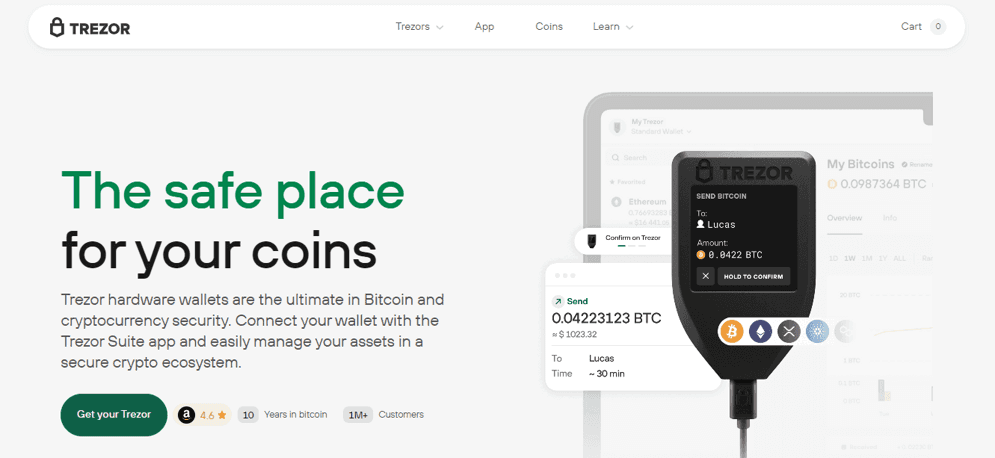
Trezor Model T – a premium version with a touchscreen and enhanced security features
Both devices rely on Trezor Suite, the official application, for login, wallet management, and transaction processing.
Understanding Trezor Login
Trezor login is not like a traditional username and password login. Instead, it involves connecting your Trezor device to Trezor Suite and verifying access through a PIN. The private keys remain on the device at all times, which provides maximum security.
Key steps of Trezor login include:
Installing Trezor Suite on your computer or mobile device
Connecting your Trezor hardware wallet
Entering your PIN on the Trezor device
Accessing your cryptocurrency accounts via Trezor Suite
Step 1: Install Trezor Suite
Before logging in, you must install Trezor Suite, the official software for managing your wallet. Always download Trezor Suite from the official Trezor website to avoid phishing scams or malicious software.
Trezor Suite is compatible with:
Windows
macOS
Linux
Android
iOS
Once installed, open the application and follow the setup instructions. You may need to install Trezor Bridge, a small software package that allows your computer to communicate with the hardware wallet.
Step 2: Connect Your Trezor Device
Plug your Trezor wallet into your computer using the USB cable. Trezor Model T users with mobile devices may connect via USB-C or use supported adapters. Once connected, Trezor Suite will detect your device automatically.
Make sure to use the original cable or a reliable replacement to avoid connection issues.
Step 3: Enter Your PIN
The PIN is your first layer of protection when logging in. You created this PIN during initial wallet setup, and it must be entered on the Trezor device every time you log in.
PIN Guidelines:
Keep your PIN confidential and private
Avoid obvious patterns like 1234 or 0000
Enter the PIN directly on the device, not your computer
Entering the wrong PIN multiple times will temporarily lock or even reset the device. If this occurs, your wallet can be restored using the recovery seed.
Step 4: Access Trezor Suite Dashboard
Once the PIN is verified, Trezor Suite displays your wallet dashboard. From here, you can:
View balances of all cryptocurrency accounts
Send and receive funds
Manage cryptocurrencies and tokens
Install or remove blockchain apps
Track transaction history
Update firmware
Trezor Suite provides a secure interface, but all critical verification and key storage remain on the hardware device.
Common Trezor Login Issues
Even experienced users may encounter problems during login. Here are some common issues and solutions:
Device Not Detected
Try a different USB port or cable
Restart Trezor Suite and reconnect the device
Ensure Trezor Suite and Bridge are up to date
Incorrect PIN
Verify your PIN carefully
Entering the wrong PIN multiple times may reset the device; use your recovery seed to restore
Software Connection Issues
Check your internet connection
Temporarily disable firewall or VPN
Reinstall Trezor Suite if needed
Security Best Practices for Trezor Login
Maintaining the security of your wallet is critical. Follow these best practices:
Never share your 24-word recovery seed
Never type your seed into a website or app
Always download Trezor Suite from the official website
Confirm all transactions on the Trezor device screen
Keep your PIN private and secure
Regularly update the device firmware
Following these practices helps ensure that your cryptocurrency remains secure, even if your computer or mobile device is compromised.
Benefits of Trezor Login
Trezor login offers a secure and reliable way to access your wallet. The process ensures:
Private keys remain offline and protected
Transactions are verified on the device itself
Users have full control over their funds
Multiple cryptocurrencies can be managed securely from one device
With Trezor login, security and convenience are balanced, making it one of the most trusted methods to manage digital assets.
Conclusion
Trezor login allows secure access to your cryptocurrency without exposing private keys to the internet. By installing Trezor Suite, connecting your hardware device, entering your PIN, and verifying actions directly on the device, you maintain full control over your funds. Understanding the login process, troubleshooting common issues, and following best security practices ensures your crypto remains safe from unauthorized access. Trezor login provides a secure and user-friendly gateway to managing your digital wealth with confidence.